Attic Insulation: The Unglamorous Upgrade That Pays You Back
Nobody shows off their attic. But a few inches of extra insulation up there can do more for comfort and bills than a new kitchen ever will.

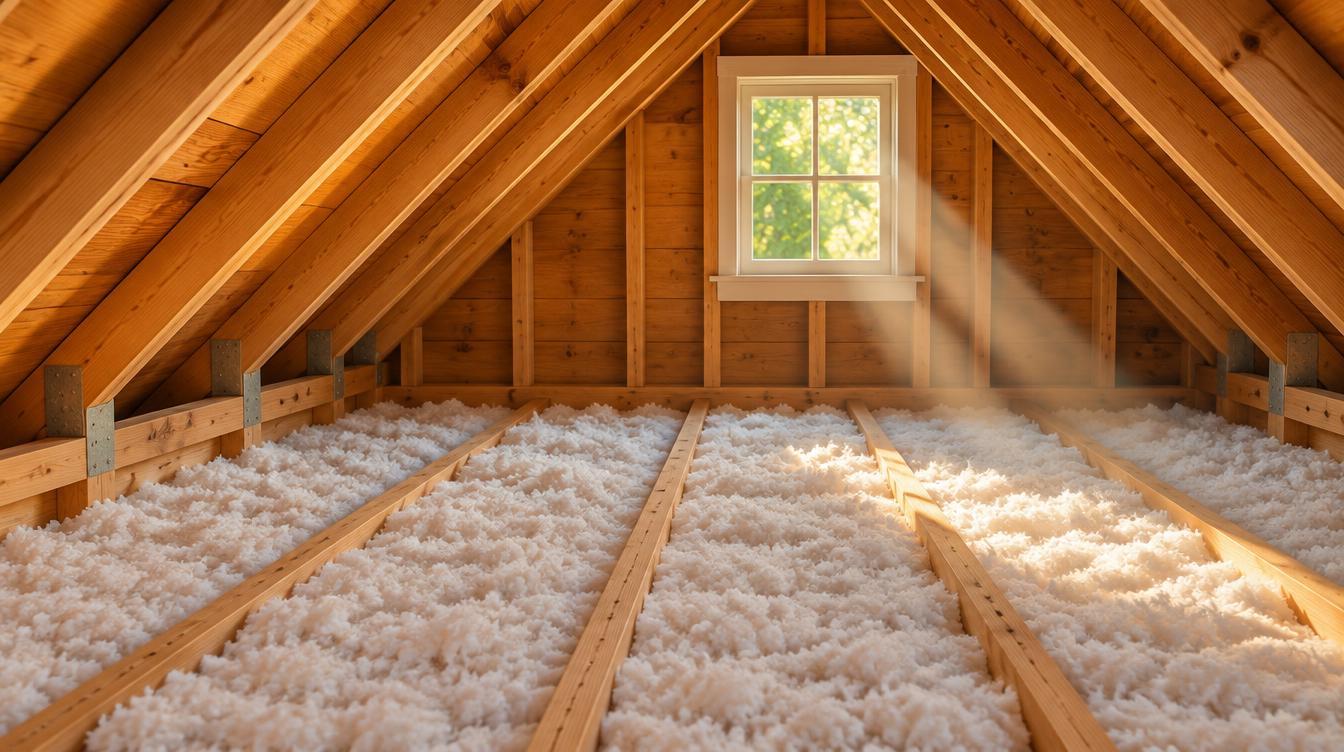
Heat rises, and in most houses it keeps rising until it leaves through the roof. The attic is where a home loses the most warmth in winter and gains the most in summer, which makes it the first place to look when a house feels drafty or the energy bill feels unreasonable.
It is also one of the least expensive places to fix. The work is hidden, the materials are cheap, and in many homes the job takes a single day.
How to tell if you need more
Take a torch and look across the attic floor. If you can see the tops of the joists, you almost certainly have less insulation than current guidance recommends. Properly insulated attics bury the framing completely.
Other signs show up downstairs. Rooms under the roof that are hot in summer and cold in winter, uneven temperatures between floors and icicles along the eaves all point to heat escaping through the ceiling.
Understanding R-value
Insulation is rated by R-value, a measure of resistance to heat flow. The higher the number, the better it insulates. R-values add up, so two layers of R-19 give you R-38.
For most of the United States, energy guidance for attics falls somewhere between about R-38 and R-60, with colder regions at the higher end. That typically means between ten and twenty inches of material, depending on the type.
Seal first, then insulate
Insulation slows heat moving through materials. It does little to stop air moving through gaps. Before adding anything, the holes in the attic floor need sealing.
The usual culprits are easy to find once you know to look for them.
- Gaps around plumbing pipes and electrical cables.
- The tops of interior walls, where framing meets the ceiling.
- Recessed light fittings that are not rated as airtight.
- The attic hatch itself, which is often just a loose board.
- Openings around chimneys and flues, which need fire-rated materials.
Insulating an attic without sealing it is like wearing a thick jumper with the zip undone.
A few tubes of sealant and some expanding foam can make a noticeable difference on their own. Skipping this step is the most common reason an insulation upgrade disappoints.
Choosing a material
Blown-in insulation, either cellulose or fiberglass, is the standard choice for topping up an attic floor. It fills around wiring and awkward framing and can be installed quickly through a hose.
Batts are rolls or panels laid between and across the joists. They suit open, regular attics and are the easiest material for a careful homeowner to install.
Spray foam insulates and air-seals in a single step and has the highest R-value per inch. It also costs considerably more and must be installed by professionals. It is most useful where space is tight or where the roof slope itself needs insulating.
| Material | Best for | Installed by | Relative cost |
|---|---|---|---|
| Blown cellulose or fiberglass | Topping up an open attic floor | Professional, or homeowner with a rented blower | Low |
| Fiberglass batts | Regular joist spacing, easy access | Homeowner or professional | Low |
| Spray foam | Sloped ceilings, tight spaces, air sealing | Professional only | High |
Do not block the ventilation
Most attics are designed to breathe. Air enters through vents at the eaves and leaves near the ridge, carrying moisture with it. If new insulation blocks those eave vents, condensation and mould can follow.
Installers fit simple baffles at the edges to keep an air channel open above the insulation. Ask to see them before the work is covered over.
What it costs and what it saves
Prices vary with region, attic size and the material chosen, so collect at least three written quotes. Make sure each one states the final R-value and whether air sealing is included.
The Environmental Protection Agency estimates that sealing air leaks and adding insulation in attics, floors and crawl spaces can cut heating and cooling costs by an average of around 15 percent. Homes that start with very little insulation often see more.
Many utilities and state programmes offer rebates for insulation, and tax incentives come and go. Check what is available in your area before you sign, because the paperwork sometimes has to be filed first.
Doing it yourself
Laying batts or renting a blower is within reach of a patient homeowner. Wear a proper respirator, gloves and eye protection, walk only on the joists and keep insulation clear of any heat source that is not rated for contact.
Older homes need extra caution. If you find grey, pebble-like loose fill, stop and have it tested before disturbing it, as some older vermiculite products contained asbestos. Old wiring should also be inspected before it is buried.
The ice dam connection
In snowy climates, a warm attic melts snow on the roof. The water runs down to the cold eaves, refreezes and builds a ridge of ice that can force water back under the shingles.
Better insulation and air sealing keep the roof deck cold and are the lasting cure. Heating cables and roof rakes treat the symptom.
Worth the afternoon
An attic upgrade will never appear in a photograph of your home. You will simply notice that the upstairs bedrooms are comfortable, the furnace runs less and the house holds its temperature overnight.
For the money involved, very few home improvements do as much.