Replacing Windows: When It Pays, What to Buy and How to Read a Quote
New windows are among the most heavily sold home upgrades. They can transform comfort, but the energy savings are often smaller than the brochure suggests.

- Replace windows that are rotten, fogged between the panes or impossible to operate. Sound older windows can often be repaired and weather-stripped.
- Compare products on the NFRC label: U-factor for insulation, SHGC for solar heat.
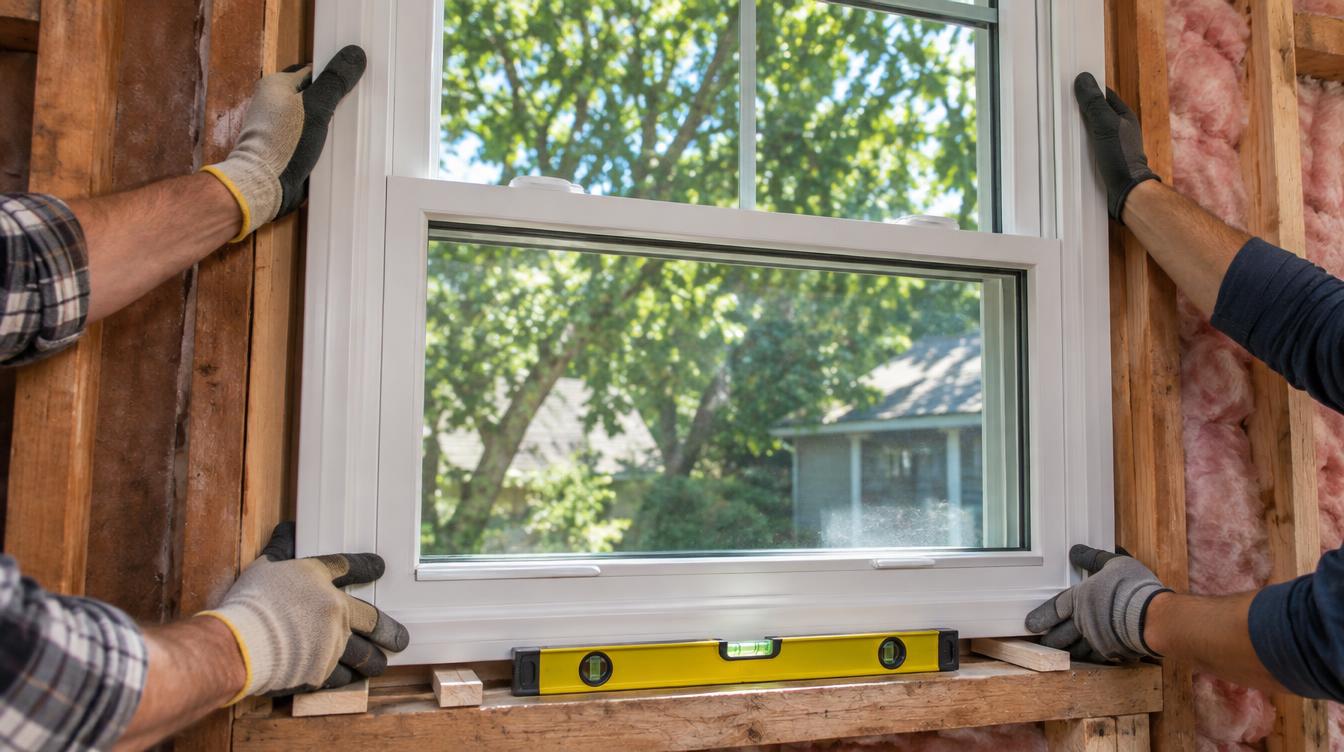
- Installation quality matters as much as the window. A good unit badly fitted will still leak.
Few home improvements are sold as energetically as replacement windows. The pitch is simple: old windows waste energy, new ones pay for themselves. The first half is true. The second half deserves a closer look.
Windows do affect comfort and energy use. They are also expensive, and in many homes cheaper fixes should come first. This guide is about telling a necessary replacement from an optional one, and buying well when the time comes.
When replacement is the right call
Some windows are simply at the end of their life. If you see any of the following, repair is unlikely to be worthwhile.
- Rot or soft timber in the frame or sill.
- Fog or moisture trapped between the panes of a double-glazed unit.
- Sashes that will not open, stay open or lock.
- Single-pane glass in a cold or very hot climate.
- Water staining on the wall beneath the window.
If the frames are sound and the windows operate properly, replacement is a choice rather than a necessity.
What windows do to your energy bill
According to the Department of Energy, heat gained and lost through windows accounts for roughly a quarter to a third of residential heating and cooling energy use. That is a large share, and it explains the marketing.
It does not follow that new windows cut bills by a quarter. Even very good windows insulate far less well than an insulated wall. ENERGY STAR's own estimates put the saving from replacing single-pane windows with certified models at roughly a tenth of a home's energy bills on average, and less when the old windows are already double-pane.
Buy windows for comfort, quiet and condition. Count the energy saving as a bonus.
Try the cheap fixes first
If drafts are the complaint, air sealing may solve most of it for very little money. New weather-stripping, caulk around the trim and repairs to the sash locks take an afternoon.
Storm windows, fitted inside or outside, add a second layer of glass at a fraction of the cost of replacement. In many older homes with good timber windows, this is the sensible route.
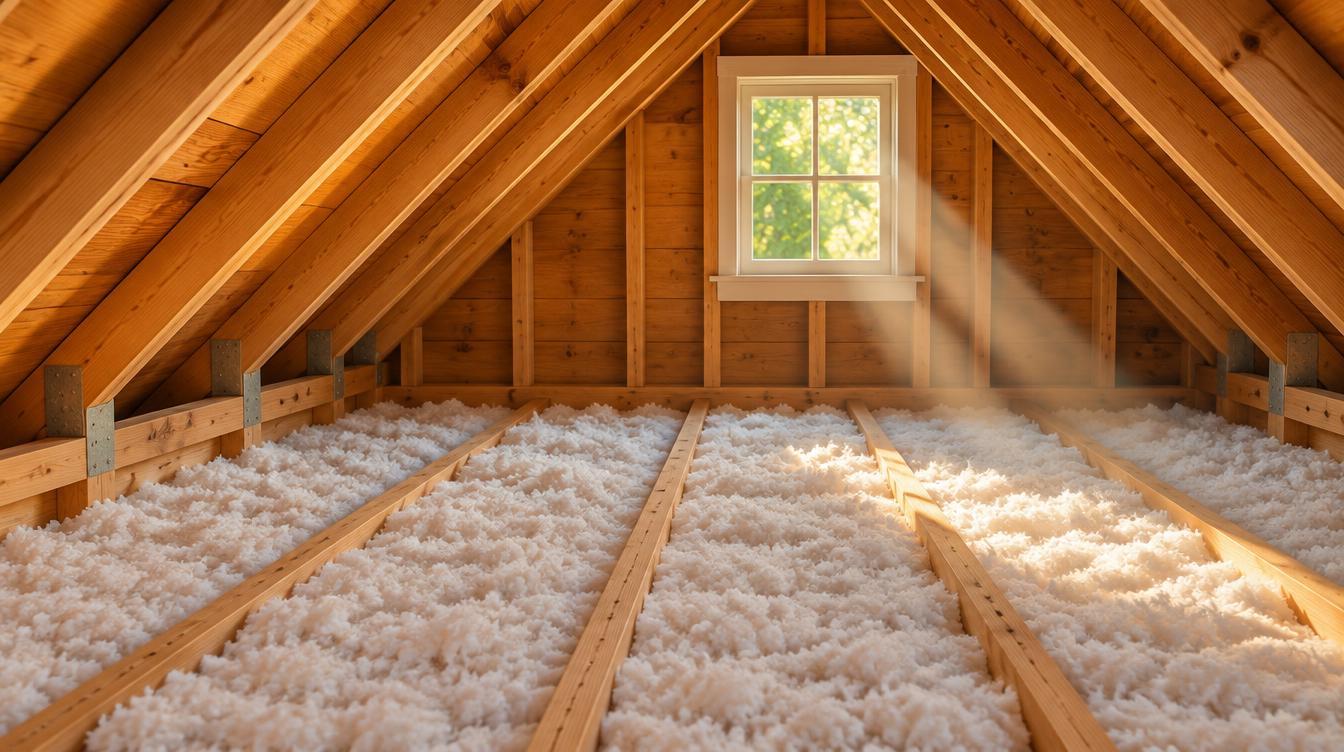
Attic insulation and air sealing usually return more per dollar than windows do. If you have not done those, start there.
Reading the label
Every certified window carries a label from the National Fenestration Rating Council. It is the only reliable way to compare products.
| Rating | What it measures | What to look for |
|---|---|---|
| U-factor | How easily heat passes through | Lower is better in every climate |
| Solar heat gain coefficient | How much of the sun's heat gets in | Lower in hot climates, moderate in cold ones |
| Visible transmittance | How much daylight gets through | Higher means a brighter room |
| Air leakage | How much air passes through the assembly | Lower is better |
Glass options in plain terms
A low-E coating is a microscopically thin metallic layer that reflects heat while letting light through. It is now standard on good windows and is the single most valuable feature.
The gap between panes is often filled with argon, a gas that insulates better than air. Triple glazing adds a third pane and a second gap. It is most worthwhile in very cold climates and for noise reduction.
Frame materials
Vinyl is the most common and usually the least expensive. It insulates well and needs no painting, though colours are limited and cheaper frames can look bulky.
Fibreglass is stronger and more stable, with slimmer frames. It costs more. Wood is beautiful and insulates well, and needs maintenance unless it is clad in aluminium or vinyl on the outside.
Aluminium frames are slim and strong and conduct heat readily, so they suit mild climates better than cold ones.
Insert or full-frame
An insert, or pocket, replacement slides a new window into the old frame. It is quicker, cheaper and disturbs less of the wall. It also slightly reduces the glass area and leaves the old frame in place.
A full-frame replacement strips everything back to the rough opening. It costs more, and it is the only way to fix rot, add proper flashing and insulate the gap around the frame.
If there is any sign of water damage, choose full-frame.
Installation is half the product
The best window, set out of square or sealed poorly, will leak air and water. Ask how the opening will be flashed, how the gap around the frame will be insulated and sealed, and who will carry out the work.
Ask whether the installers are employees or subcontractors, and whether the company holds any manufacturer installation certification.
Reading a quote
A proper quote lists each window by size and type, the brand and series, the glass package, the U-factor and solar heat gain figures, the installation method and what happens to the interior and exterior trim.
Check the warranty terms for the glass seal, the frame and the labour separately. They are often different lengths.
Be wary of prices that expire tonight. Reputable companies will let you compare.
What it costs
Prices vary enormously with size, material, glass and installation method. A standard vinyl insert replacement costs far less than a large timber full-frame unit.
Get at least three quotes, and check for utility rebates and tax incentives that apply at the time you buy.
You do not have to do them all
There is no rule that every window must be replaced at once. Start with the ones in the worst condition, or the rooms where you feel the drafts, and do the rest over time.
Keep the style consistent on each side of the house, and the phased approach will not show.
The sensible sequence
Seal and insulate first. Repair what can be repaired. Replace what has failed, with a good low-E double-pane window fitted by a careful installer.
Done in that order, new windows are a pleasure. You will notice the quiet and the absence of drafts long before you notice the bill.
Frequently asked questions
Do new windows pay for themselves?
Rarely on energy savings alone. Replacing single-pane windows gives a meaningful reduction in heating and cooling costs, but the payback period is usually long. The stronger reasons are comfort, reduced drafts and noise, easier operation and the condition of the existing frames.
What is a good U-factor for a window?
Lower is better. Typical double-pane windows with a low-E coating and gas fill have a U-factor of around 0.30 or below. Triple-pane units can reach around 0.20. The right target depends on your climate zone, and ENERGY STAR publishes criteria by region.
What is the difference between insert and full-frame replacement?
An insert replacement fits a new window inside the existing frame and is quicker and cheaper. A full-frame replacement removes everything down to the rough opening, which allows hidden rot to be repaired and proper flashing and insulation to be installed, at a higher cost.