Luxury Vinyl Plank vs Hardwood: An Honest Comparison
One is waterproof and inexpensive. The other can last a century. Which floor suits which room, and what each is like to live with.

- Vinyl plank is waterproof, inexpensive and easy to fit, and cannot be refinished when it wears.
- Hardwood costs more and dislikes water, and can be sanded and renewed for generations.
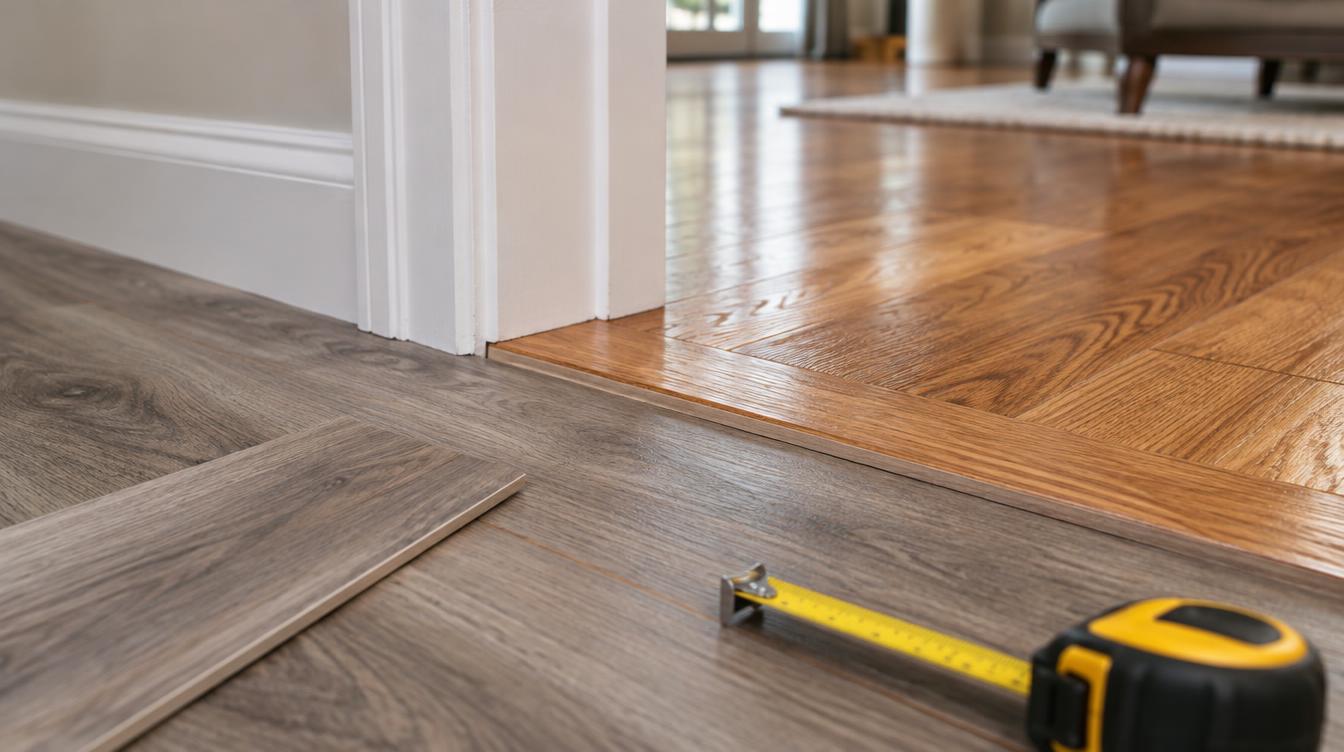
- Many homes use both: hardwood in living spaces, vinyl in bathrooms, basements and utility rooms.
Twenty years ago this was not a contest. Vinyl flooring was the thin, shiny sheet in a rented kitchen. Hardwood was what you hoped to find under the carpet.
Modern luxury vinyl plank has changed that. It is printed with convincing wood grain, textured to match and built on a rigid waterproof core. From standing height, good vinyl can be hard to tell from the real thing. The differences appear over years, not days.
What each one is
Luxury vinyl plank, often shortened to LVP, is a layered product: a rigid core, a printed image of wood and a clear protective wear layer on top. Most types click together and float over the subfloor without glue or nails.
Hardwood is timber. Solid hardwood is a single piece of wood, usually three-quarters of an inch thick. Engineered hardwood has a real wood surface bonded to layers of plywood, which makes it more stable in changing humidity.
Water
This is vinyl's decisive advantage. The planks do not absorb water, swell or stain. That makes vinyl suitable for bathrooms, laundry rooms, basements and kitchens.
Wood and water do not mix. Spills that are wiped up promptly do no harm, but standing water, leaks and persistent damp cause boards to cup and stain. Solid hardwood is generally not recommended below ground level.
Vinyl forgives a flood. Hardwood forgives a century of footsteps.
Durability and wear
Vinyl's toughness comes from its wear layer, measured in mils, which are thousandths of an inch. Around 12 mils is typical for homes. Around 20 mils suits busy households and pets.
Vinyl resists scratches and dents well, though heavy furniture can leave marks and sharp objects can gouge it. When the wear layer is worn through, the floor has to be replaced.
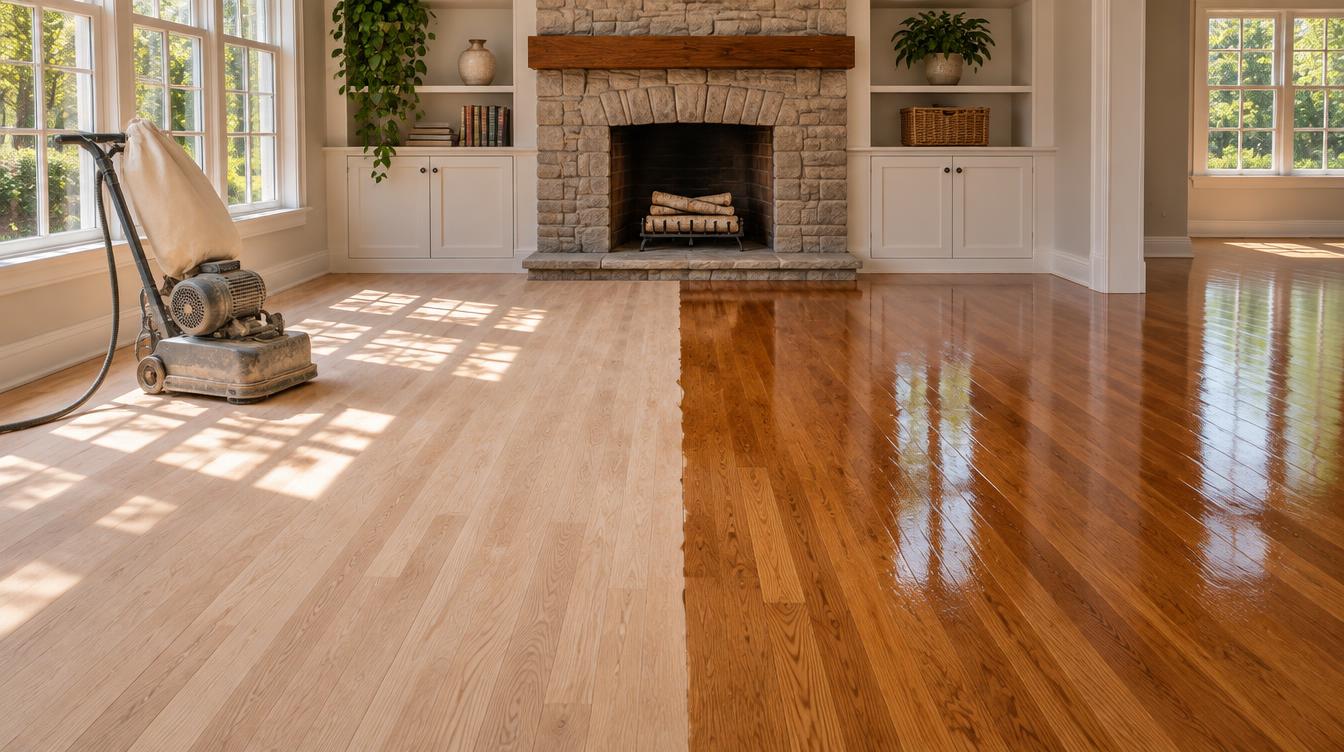
Hardwood scratches and dents more easily, particularly softer species. The difference is that damage is not permanent. A hardwood floor can be sanded and refinished several times. Our guide to refinishing hardwood floors explains how.
Cost
Vinyl plank is generally less expensive to buy and considerably less expensive to install, since click-together planks go down quickly and many homeowners fit it themselves.
Hardwood costs more for materials and for skilled installation. Over the very long term the gap narrows, because one hardwood floor can outlast several vinyl ones.
| Factor | Luxury vinyl plank | Hardwood |
|---|---|---|
| Material and fitting cost | Lower | Higher |
| Water resistance | Excellent | Poor |
| Can be refinished | No | Yes, several times |
| Feel underfoot | Slightly softer, warmer | Solid, natural |
| Suitable for basements | Yes | Engineered only, with care |
| Typical buyer appeal | Good | Very good |
Look and feel
The best vinyl looks very convincing. The giveaway is repetition: the printed pattern recurs every so many planks, and a careful eye will find the repeats. Better products have more variation.
Hardwood has no repeats. Every board is different, and the surface develops character with age. Underfoot it feels and sounds like what it is.
Comfort and noise
Vinyl is slightly softer and warmer to stand on, and with a good underlay it is quiet. It works well over underfloor heating, within the manufacturer's temperature limits.
Hardwood is firm and can be noisy in rooms without rugs. It suits many underfloor heating systems, particularly engineered boards, but check the specifications.
Sunlight
Both materials change in strong sun. Some vinyl can fade or discolour with prolonged direct sunlight, and very high temperatures behind glass can cause planks to expand.
Hardwood changes colour too, often deepening over the years. Rugs and furniture leave lighter patches, which even out once they are moved.
The subfloor matters
Vinyl plank follows whatever is beneath it. Dips and ridges in the subfloor show through and stress the joints, so the surface must be flat and clean.
Hardwood needs a dry, sound subfloor and time to acclimatise to the house before fitting. Skipping that step is a common cause of gaps and cupping later.
Maintenance
Vinyl needs sweeping and a damp mop. It should not be steam cleaned unless the manufacturer says so, and it never needs sealing.
Hardwood needs sweeping, a barely damp mop and felt pads under furniture. Every few years a fresh top coat keeps it protected, and every decade or two a full refinish makes it new.
Environmental points
Hardwood is a renewable material and, at the end of its long life, can be reused or recycled. Look for timber certified as responsibly sourced.
Vinyl is a plastic product with a shorter life and limited recycling options. If indoor air quality is a concern, look for products certified for low chemical emissions.
Room by room
Bathrooms, laundry rooms and basements: vinyl. Living rooms, dining rooms and bedrooms: hardwood, if the budget allows.
Kitchens can go either way. Vinyl is the safer choice if leaks worry you. Hardwood works well if you want one continuous floor through an open-plan space and are prepared to wipe up spills.
The honest summary
If you need a tough, waterproof, affordable floor now, vinyl plank is an excellent product. If you want a floor that will still be there, and still be beautiful, for your grandchildren, it has to be wood.
Many of the most sensible homes use each where it does best.
Frequently asked questions
Is luxury vinyl plank really waterproof?
The planks themselves are waterproof, which makes them suitable for bathrooms, kitchens and basements. Water can still get beneath a floating floor through gaps at the edges, so spills and leaks should be dealt with and the subfloor must be dry before installation.
Which adds more value to a home, hardwood or vinyl plank?
Real hardwood is generally viewed more favourably by buyers and is often listed as a selling feature. Good-quality vinyl plank is widely accepted, particularly in kitchens, bathrooms and basements, and is preferable to worn carpet.
How long does luxury vinyl plank last?
Lifespan depends mainly on the thickness of the wear layer and the amount of traffic. Many products carry residential warranties of 15 to 25 years. Unlike hardwood, a worn vinyl floor is replaced, not refinished.